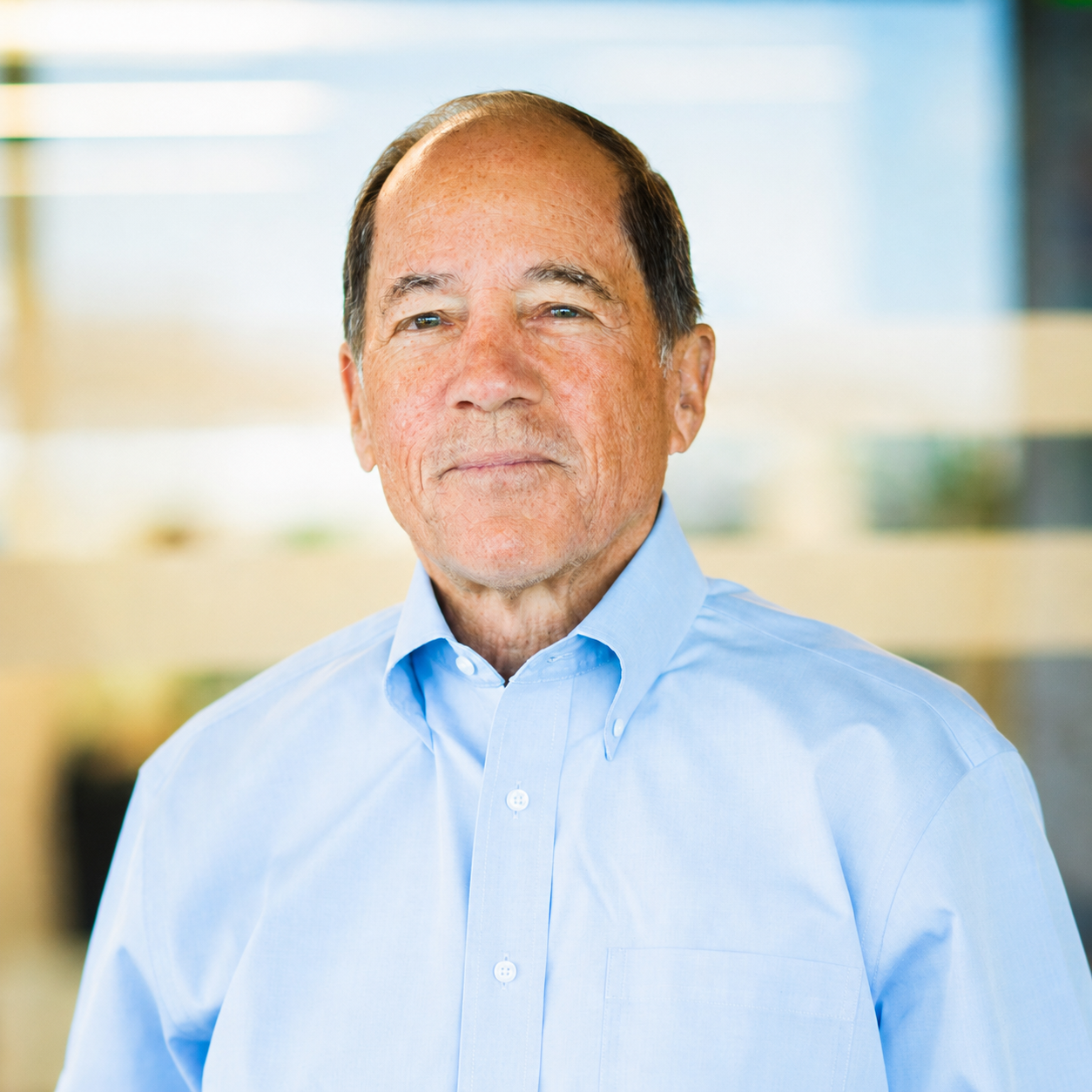
Jennifer Erskine

Jennifer is a scientist-turned-investor focused on early-stage deep tech, with particular depth in quantum information sciences, photonics, and electronics.
Before joining Celesta, Jennifer was an investor with BDC Capital's Deep Tech Venture Fund — Canada's largest fund dedicated entirely to deep tech — where she evaluated and backed early-stage Canadian companies across quantum, AI, photonics, materials science, and advanced electronics. Prior to venture, she was a research scientist at the Quantum Valley Ideas Lab, working alongside a cross-disciplinary team of scientists and engineers to develop quantum sensing technology and associated intellectual property, spanning precision laser systems, fiber optics, control systems, and materials science.
Jennifer holds a Bachelor’s degree inengineering physics and a Master’s degree in physics, giving her a technical foundation she brings directly topartnering with deeply technical founders.
Focus Areas
Boards
There are sectors where Canada's research already competes with much larger players globally, and the potential is for commercialization to be world-class, too.
Q&A
What drew you to join Celesta?
More than anything, Celesta's vision for Canada. At BDC we co-invested with Celesta in Stathera, and I saw firsthand the impact the Celesta team has had on that company — the connections they make, the strategic guidance they provide to management and the founder.
Canada has world-class R&D and founders pushing to commercialize that technology, but many early-stage startups lack the networks and operational expertise to scale globally. Matching what Celesta offers with those companies can launch them to global success in a way Canada has struggled to achieve in the past. I believe in that opportunity, and I wanted to be part of it.
The caliber of the team was the other draw. It's world class, and the chance to develop alongside that level of talent was hard to pass up.
In your previous role, you invested out of one of Canada’s largest dedicated deep tech funds. Were there lessons you’ve taken from that experience?
BDC created that fund to address a real gap in the funding landscape, but the gap itself was the opportunity: an underserved market meant more companies competing for fewer dollars, less pressure on valuations, and the ability to be selective. Investing out of it proved the thesis true. We found fabulous companies with great technology that struggled to find Canadian investors with the technical depth to evaluate deep tech, let alone the experience to help scale it. Many of those teams desperately wanted to stay Canadian, both out of national pride and because of the real economic benefits to remaining a Canadian-controlled private corporation. The technology and talent are there. What hasn’t been, historically, is enough capital or VCs willing to support those ventures.
Which sectors excite you most in Canada today?
There are sectors where Canada’s research already competes with much larger players globally, and the potential for world class commercialization is there too. That is particularly true in photonics and quantum. Canada has three quantum companies that have advanced to Stage B of DARPA’s Quantum Benchmarking Initiative, outsized for a country its size. The Nortel legacy left a huge talent hub in optics and photonics. With AI and data centers driving demand for optics, both are significant opportunities.