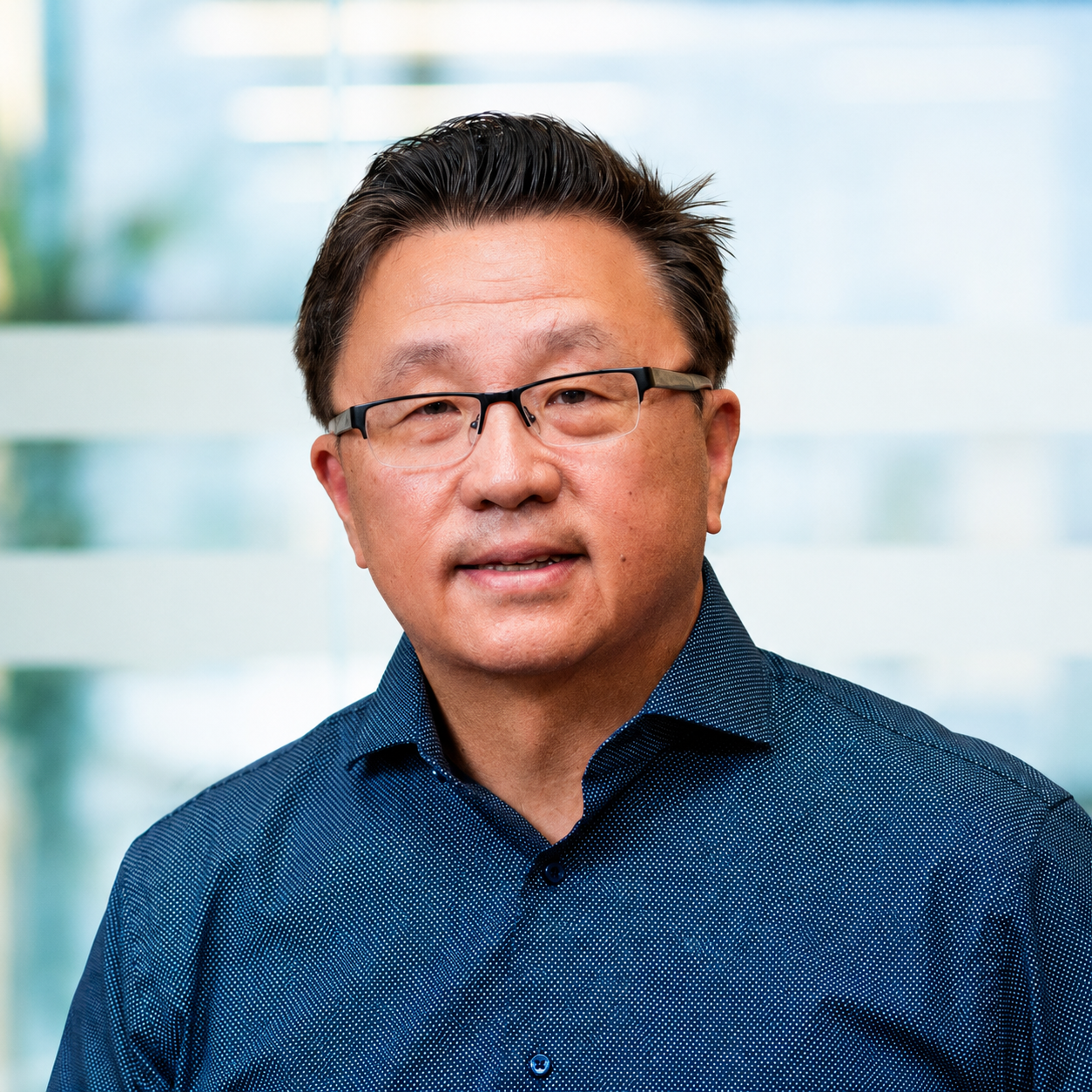
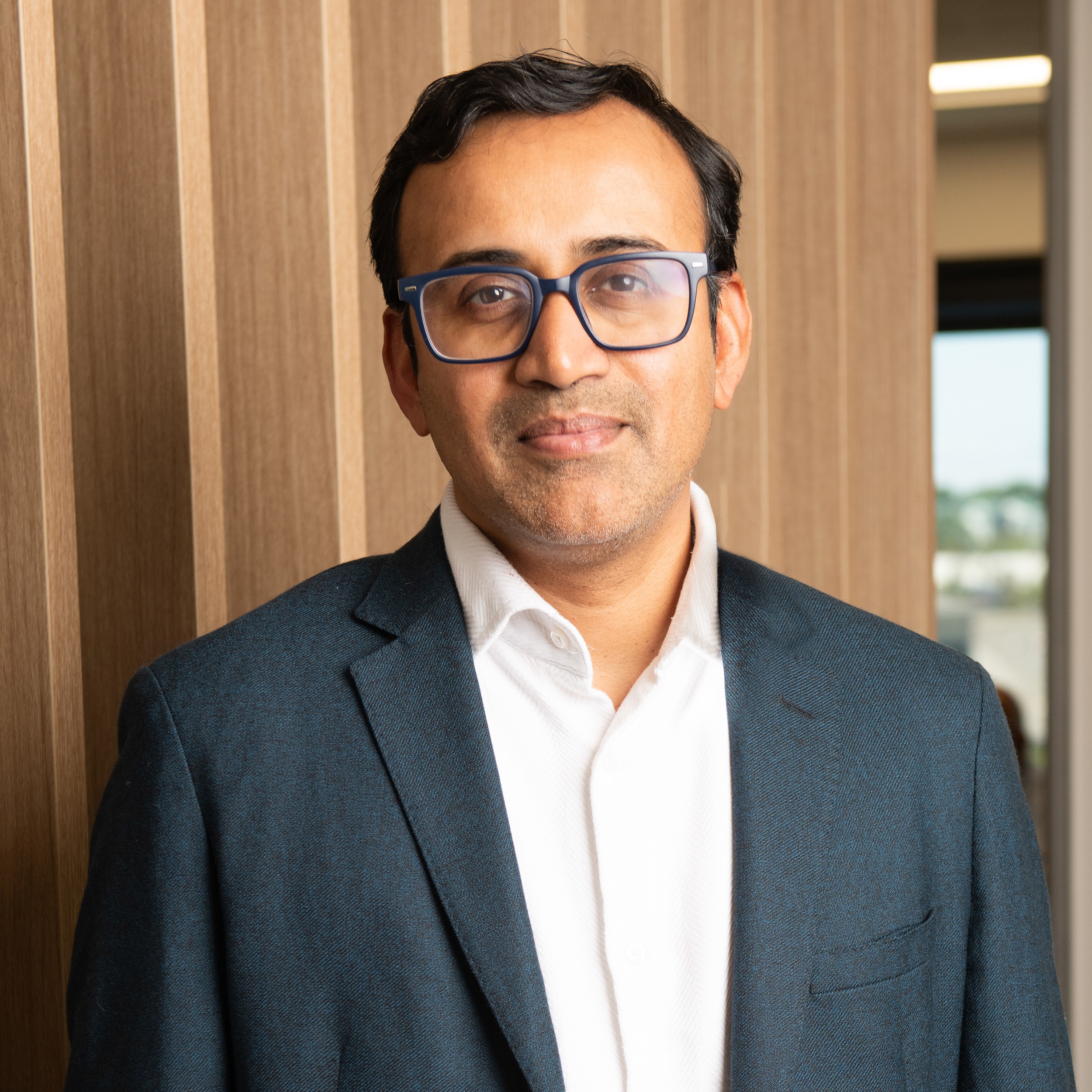
Tushar Krishnan
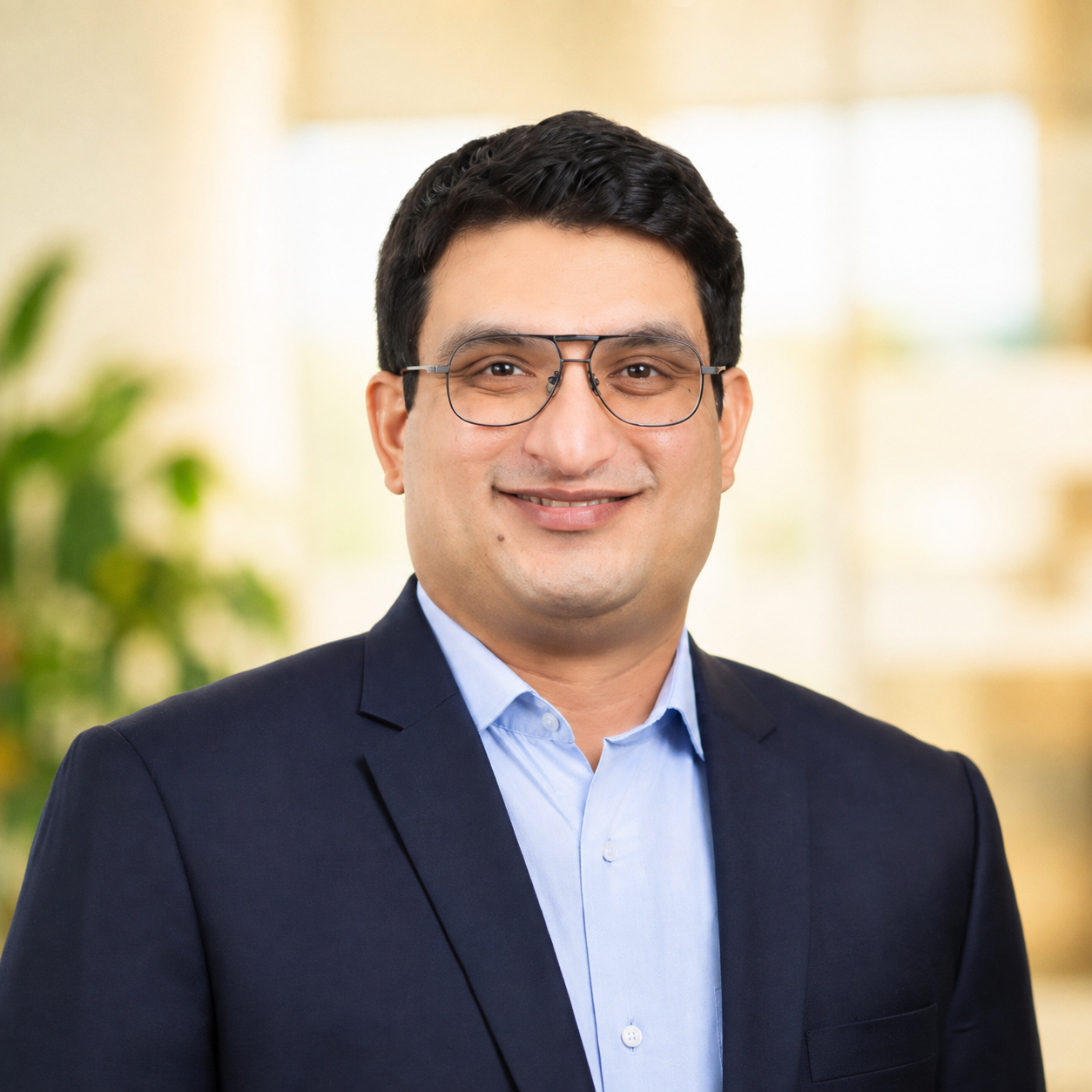
Tushar invests in early-stage deep tech companies inIndia, drawing on the U.S.-India corridor to help founders scale globally.
Prior to Celesta, Tushar was at Leica Microsystems inSwitzerland, where he drove innovation in imaging technologies used inneurosurgery worldwide. Earlier, at Duke University, he developed apoint-of-care platform for disease detection.
Tushar holds an MBA from the Stanford Graduate School ofBusiness, along with a master's in biomedical engineering from Duke Universityand a bachelor's in biotechnology from the Indian Institute of TechnologyGuwahati.
Focus Areas
Boards
Q&A
What's the focus of your role on the India team?
There are a lot of deep tech companies in India right now, because of policy tailwinds and because of the strong engineering talent that was already here. What's missing is the bridge between developing a technology and making sure it has a market. My role here is to bridge that gap: to make sure these technologies get the right guidance at the right points in time, so they can become successful companies.
With the India Semiconductor Mission, the IndiaAI Mission, and the RDI scheme all in motion, how do you see the potential for deep tech in India?
The potential is enormous, and it's heartening to see. The research ecosystem today is a huge change from the one I knew as an undergraduate. There is a focus on an entrepreneurial mindset right from the start, so students are incubated in that way of thinking in their first year. Then there's the policy push, which is giving deep tech companies the infrastructure and financial support they need while the technology is still being developed.
All of this has created awareness among investors in India and abroad, which matters because deep tech needs patient capital. The early stages are now funded, but these companies also need a lot of investment at the growth stage, whether that's human, intellectual, or financial capital. All the ingredients are in place for India's deep tech ecosystem to take on the world. It's a matter of time.
When you evaluate a deep tech startup's commercial potential, what are you looking for?
It starts with the technology. How differentiated is it? You want technologies that can stand the test of time, hold up through the waves that come along, and compete globally. Then, from an IP perspective, how defensible and enforceable is the IP around that differentiation?
The second question is whether you're solving a real problem. Founders can get so deep in developing the technology that they miss whether it will be useful. Sometimes you set out toward one use case and realize along the way that the technology suits something else. Bubble wrap started out as a wallpaper. So I look for founders who are open to their technology going in directions they didn't plan.
Which sectors interest you most, including any that might be overlooked?
Bioconvergence, in all its aspects, is close to my background, and India has a lot of potential there: a manufacturing cost advantage, a tradition of frugal engineering, and for clinical trials, a genetic diversity that provides a data set you would struggle to assemble in most other places.
Physical AI is another, meaning AI plus robotics: an intelligence layer added to robots so they can carry out specific tasks. That intelligence will be specialized; the robot that handles a manufacturing task won't be the same robot that cleans your house. Space is the third. We're already invested in Agnikul Cosmos, which builds small satellite launch vehicles with its own 3D-printed semi-cryogenic engine, and the sector is growing because of policy tailwinds and because a sovereign India wants its own capabilities in place.




.avif)